Reading the Ground
Subsurface investigation, borehole logging, lab testing, and statistical characterization of soil and rock to produce the design parameters every structure depends on.
Assistant Consultant — Geotechnical & Tunneling/WSP USA
“Engineering what lies beneath. Building what comes next.”
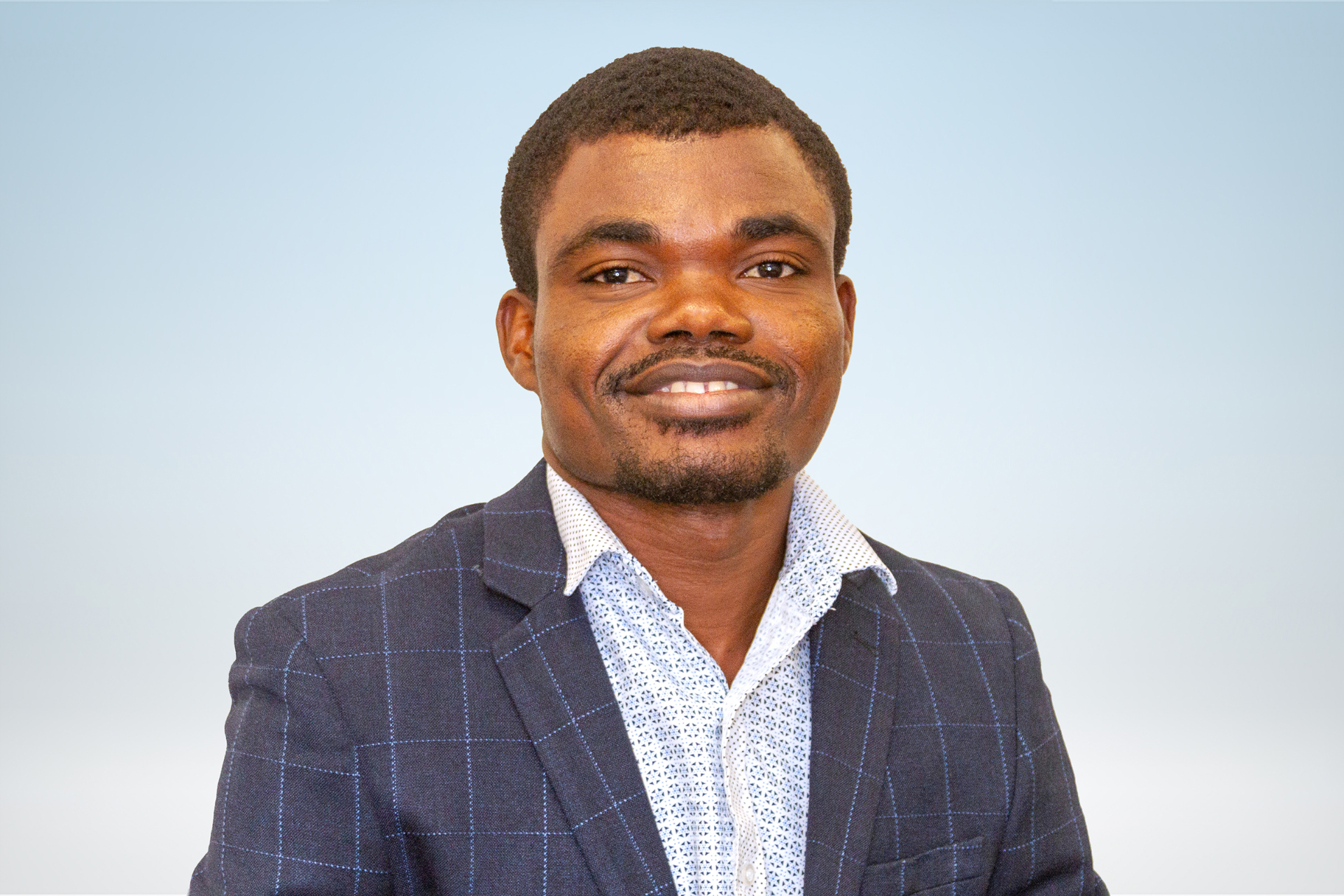
James Kore-Quaye is a civil and geotechnical engineering professional with 3.5 years of experience delivering geotechnical analysis and field support across transportation, tunneling, and water infrastructure projects in the United States and Ghana. Based in St. Louis, MO, James works with WSP USA's geotechnical and tunneling team and is building at the intersection of underground engineering, AI, and business innovation through his venture, JKore Engineering and Farms.
Before St. Louis, the field was Ghana. As a Geotechnical Intern at Golden Star Wassa Mine, I logged core and calculated RQD across active pit drilling sites in Akyempim. At Community Water & Sanitation Agency in Cape Coast, I supported O&M of a 7.5-mile distribution pipeline and supervised leak-repair crews. Then, as a Safety Officer at Manko Quarry in Apam, I ran field risk assessments for drill-and-blast operations and supported open-pit stability. Two continents, one craft — reading the ground.
Every road, bridge, tower, and tunnel ultimately stands on the ground beneath it. Geotechnical engineering is the discipline that reads that ground — characterizing soil and rock, predicting how they behave under load and water, and designing the foundations, slopes, and earthworks that make modern infrastructure possible. Tunnel engineering takes that further, carving safe, durable passages through earth and rock for transit, water, and utilities — where ground conditions, machine performance, and ground support must be engineered in concert.
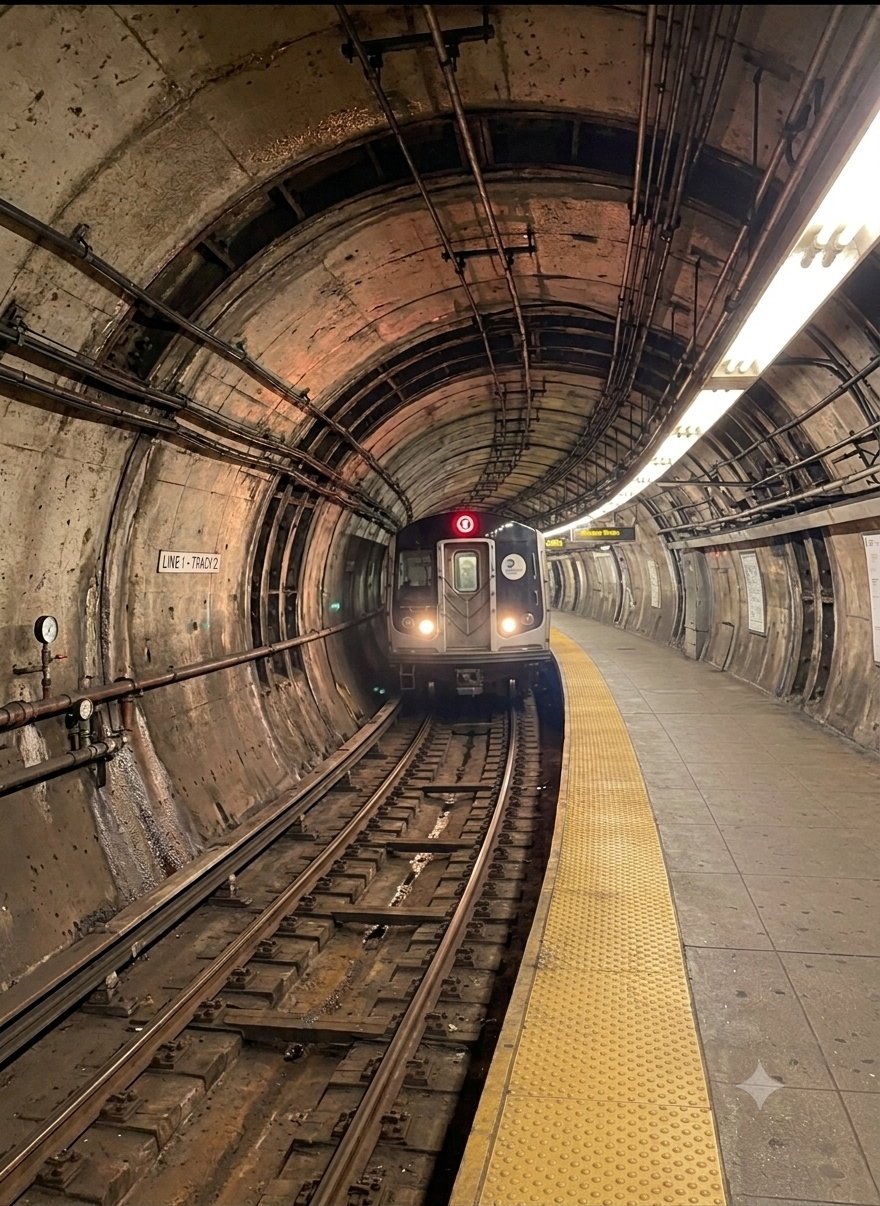
A transit tunnel at work — decades of geotechnical investigation, ground support, and construction monitoring made permanent.
Subsurface investigation, borehole logging, lab testing, and statistical characterization of soil and rock to produce the design parameters every structure depends on.
Slope stability, bearing capacity, deep foundations, and earth-retention systems — translating ground behavior into safe, constructible foundation solutions.
Rock mass classification (RMR, Q-system), TBM performance analysis, GBR development, and ground support design for transit, stormwater, and CSO storage tunnels.
Ground is the one material engineers do not get to specify — it is inherited from geology. Geotechnical and tunnel engineering turn that uncertainty into design: managing risk, controlling water and stress, and unlocking dense cities, resilient transit, and cleaner water systems that simply could not exist above ground.
Each competency links to a detailed breakdown — methods, tools, and where I've applied them in the field.
Slope stability, subsurface profiling, bearing capacity, soil classification, Atterberg limits.
Explore Geotechnical EngineeringGBR development, TBM performance analysis, RMR & Q-system classification, ground support design.
Explore Tunnel EngineeringBorehole supervision, SPT & Shelby tube sampling, core logging, RQD, HDD pressure analysis.
Explore Subsurface InvestigationMicropile, drilled shaft, and driven pile inspection; construction conformance verification.
Explore Deep FoundationsGroundwater, methane, and H₂S monitoring; ERT for pipeline leak detection.
Explore Environmental MonitoringSlope/W, Seep/W, Civil 3D, AutoCAD, ArcGIS Pro, Res2D/3D, Earth Imager 2D/3D.
Explore Software & ToolsDeep foundation inspection for garage and canopy — micropiles, drilled shafts, driven piles. Verified contractor conformance, documented daily progress, coordinated with airport stakeholders.
Supervised 6-borehole subsurface investigation (260 LF) using dry/wet rotary drilling. Directed SPT and Shelby tube sampling; led field crews and coordinated with client.
Analyzed boring logs and subsurface data; developed statistical distributions of soil parameters to support GBR baseline values for a stormwater drainage tunnel.
Determined Rock Mass Rating (RMR) from core logs and geologic mapping data. Developed geotechnical design parameters and summarized ground support implications.
Processed and analyzed TBM production data and environmental monitoring (groundwater, methane, H₂S). Built organized datasets to support field decision-making and reporting.
Slope-stability analyses for 28 bridge abutments. Developed subsurface profiles from boring logs for deep foundation recommendations.
Drilling-fluid and annular pressure calculations for 7 HDD crossings. Documented pressure limits and communicated constructability considerations to the project team.
Research using electrical resistivity tomography (ERT) for subsurface investigation and detection of leaking pipelines. Performed PSD, Atterberg limit, and Proctor testing.
Engineering rewards endurance, focus, and pacing — the same traits sport keeps sharp. Running, football, and strength training are the weekly counterweight to long hours underground and at the desk.
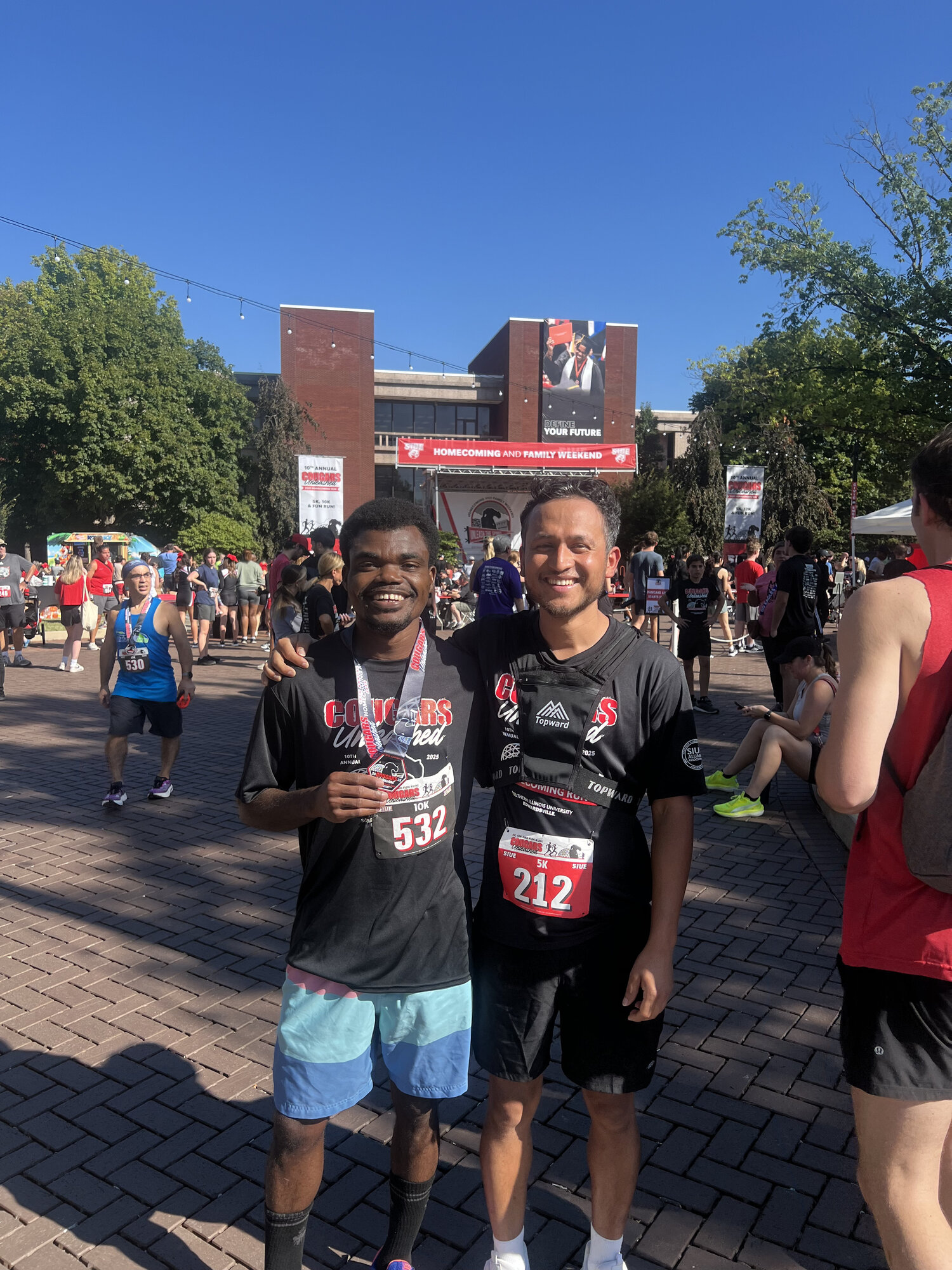
Crossing the line with a running partner — pacing, push, and a shared finish.
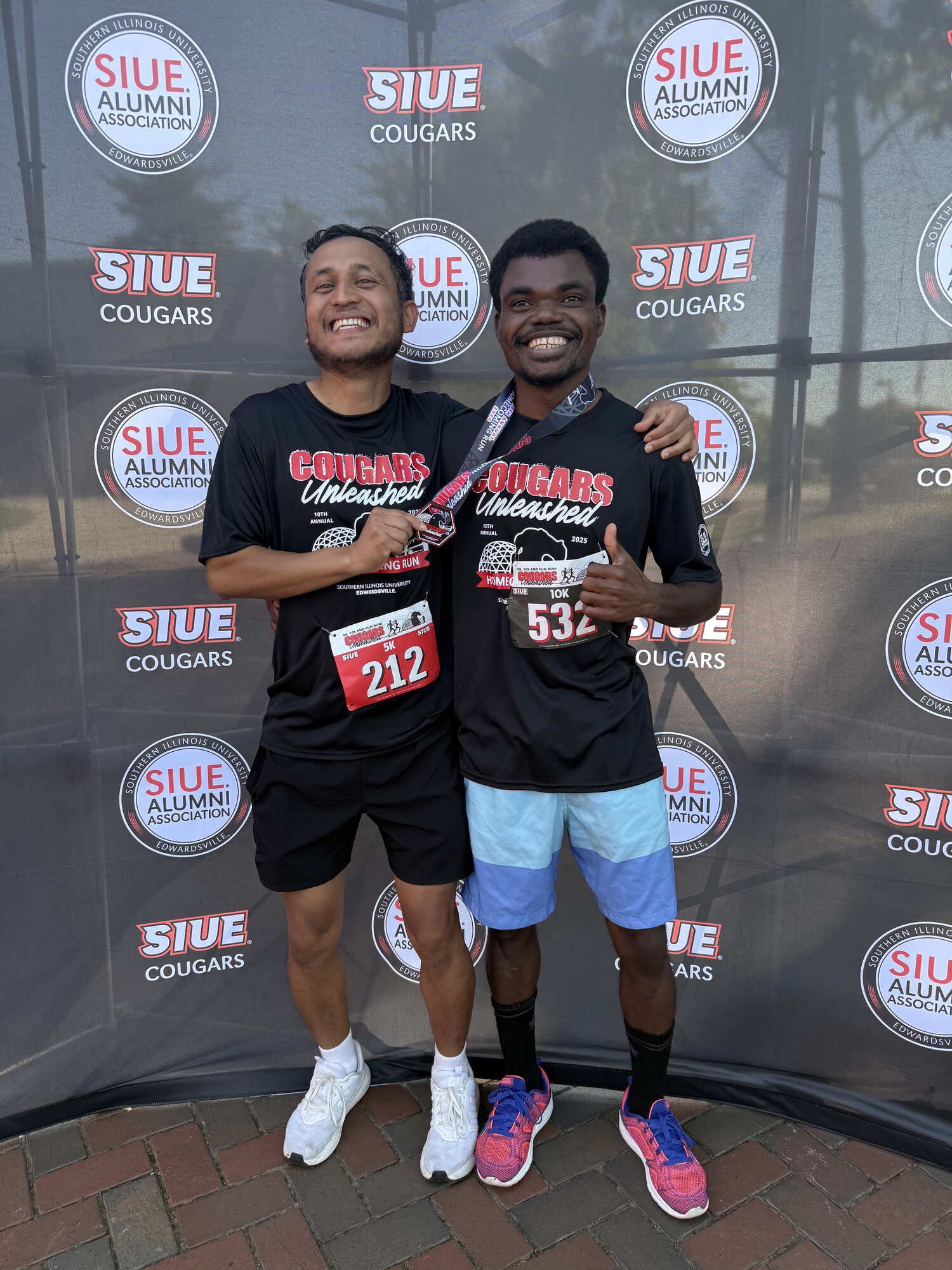
10K in the books. Training weeks rewarded with a hard-earned medal.
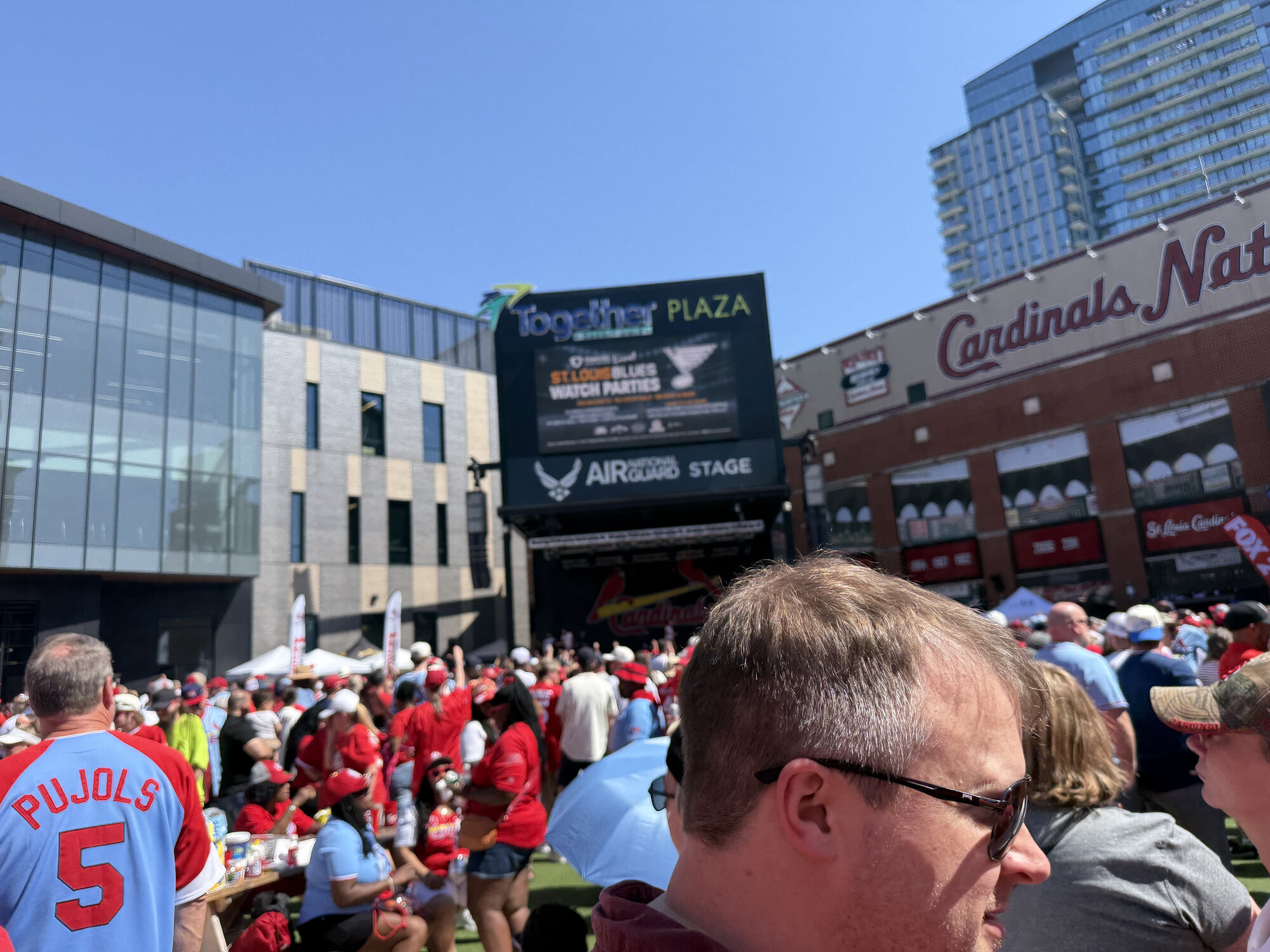
Catching the energy at Cardinals Nation — baseball, sun, and a packed plaza.
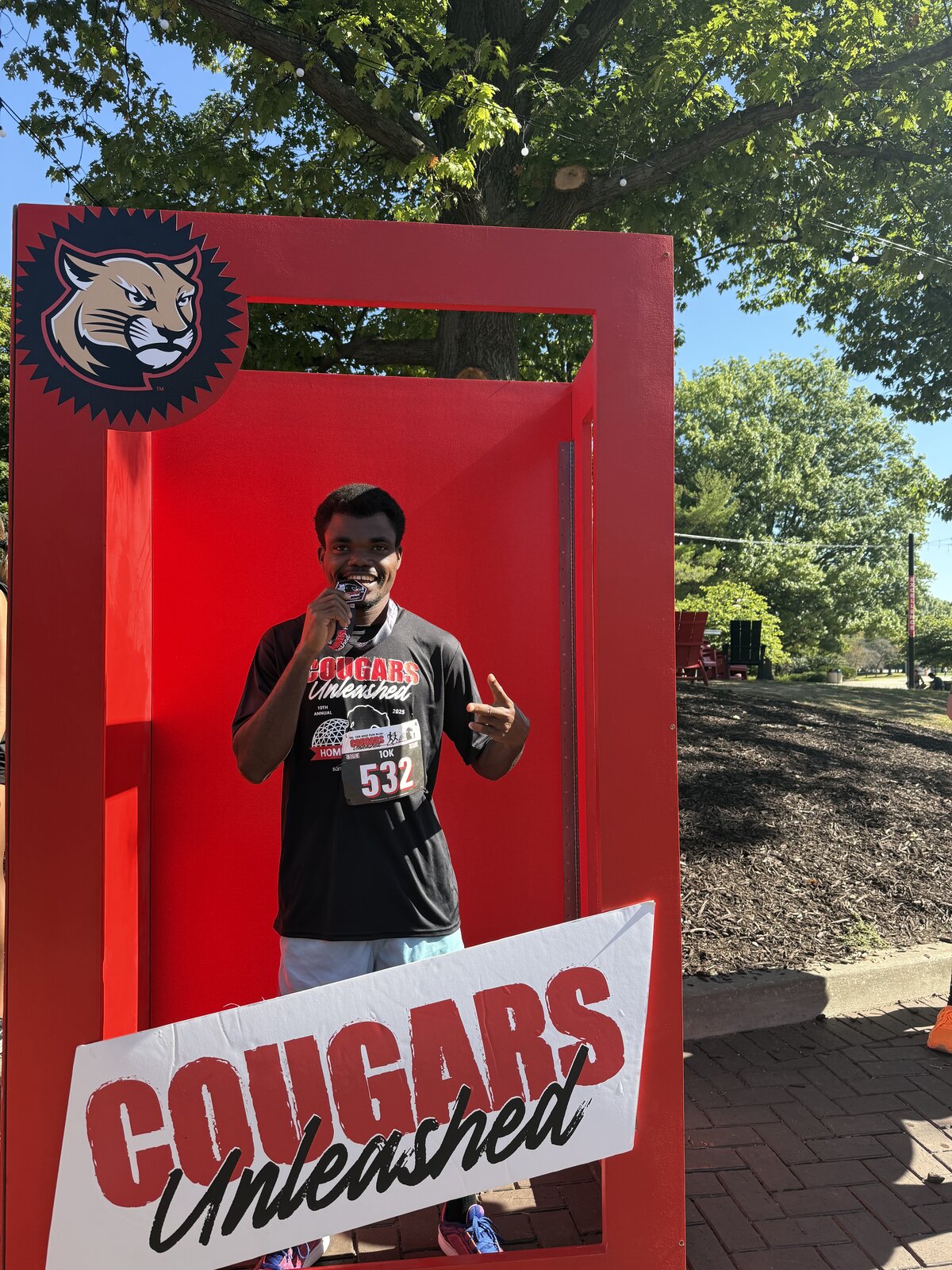
10K finisher. Endurance training as a weekly ritual.
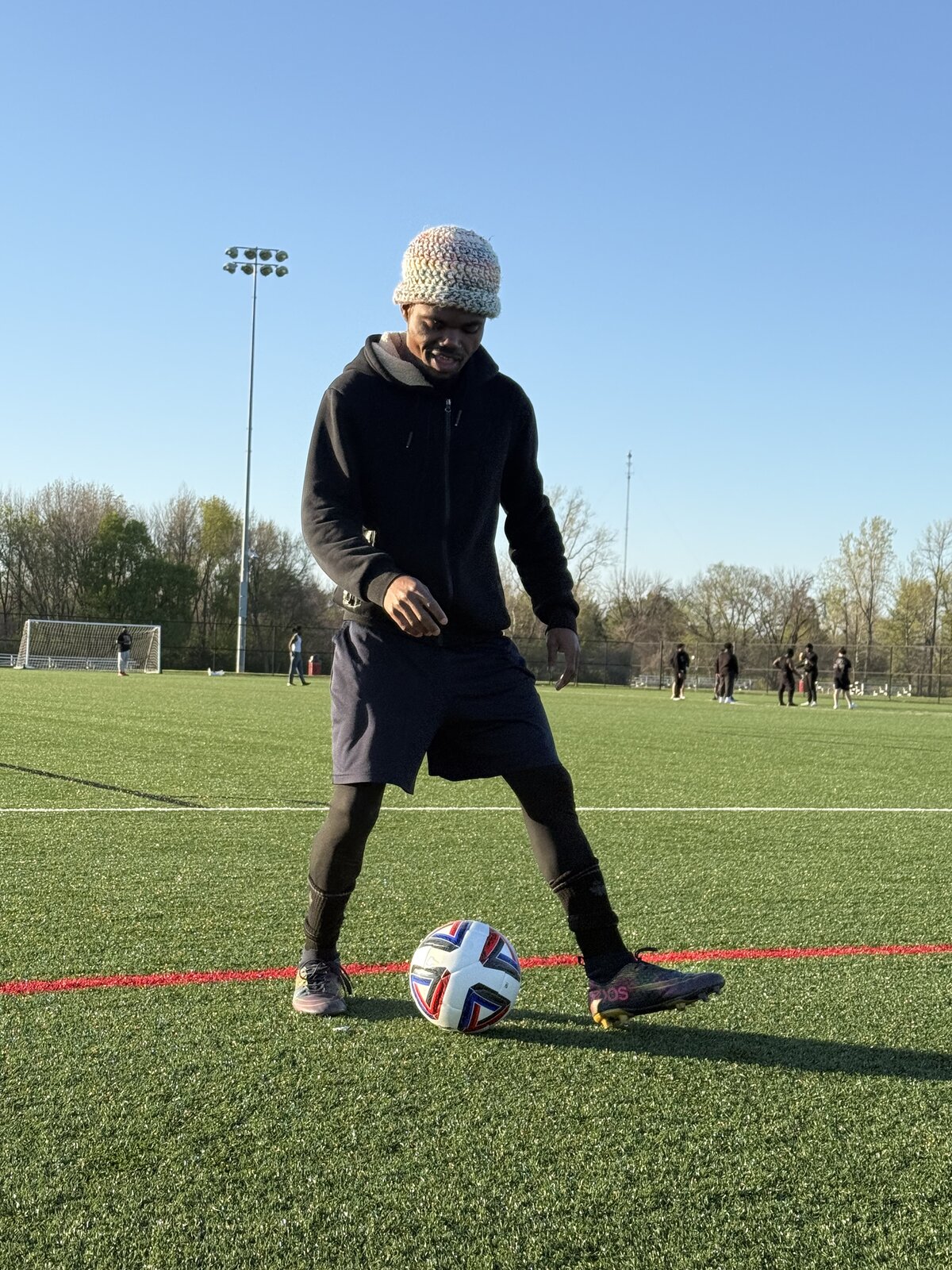
Lifelong footballer — touch, tempo, and teamwork off the clock.
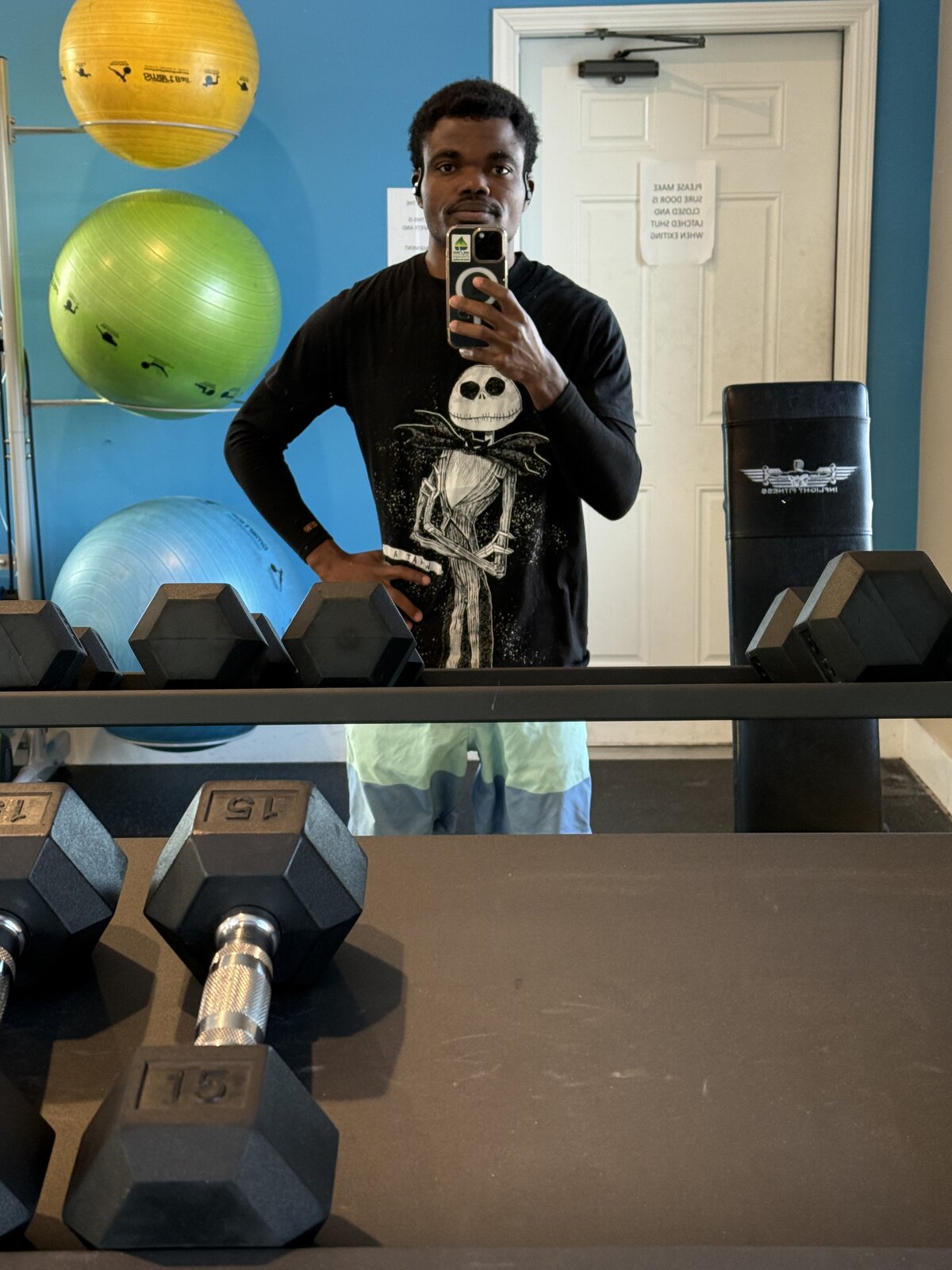
Resistance work to support running mileage and field play.
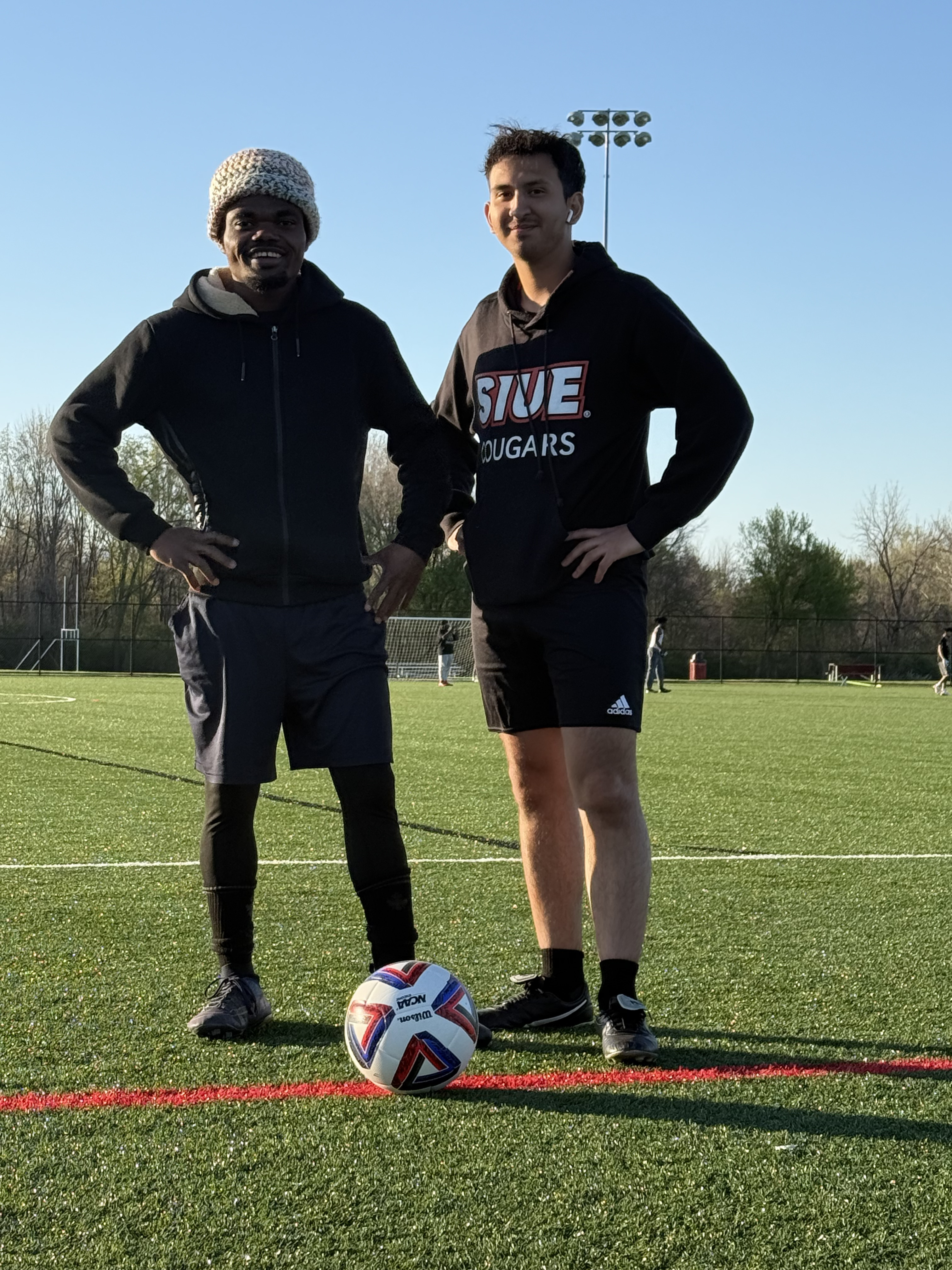
Pre-match warmup — camaraderie and craft before kickoff.
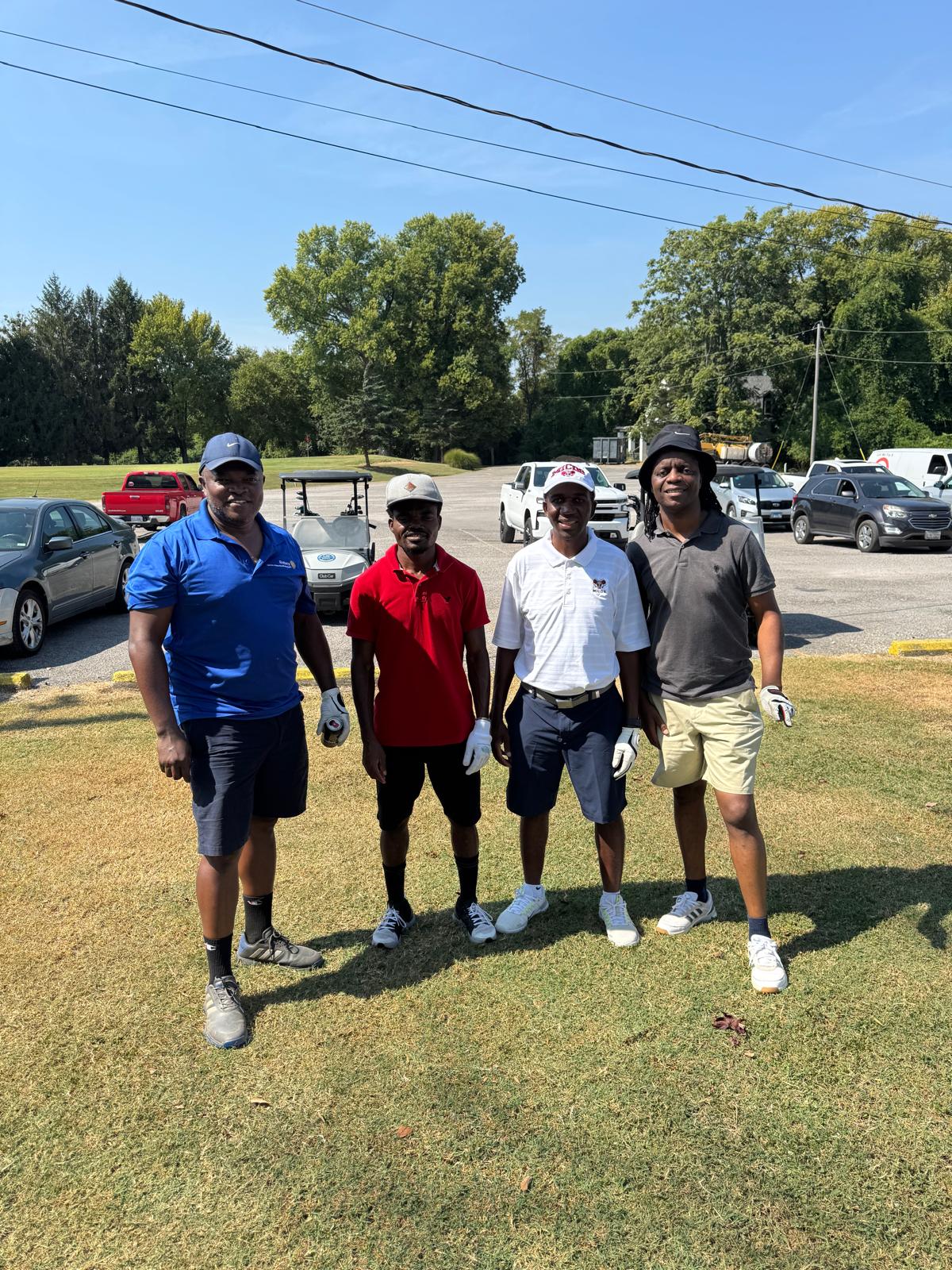
A round on the links — strategy, patience, and good company.
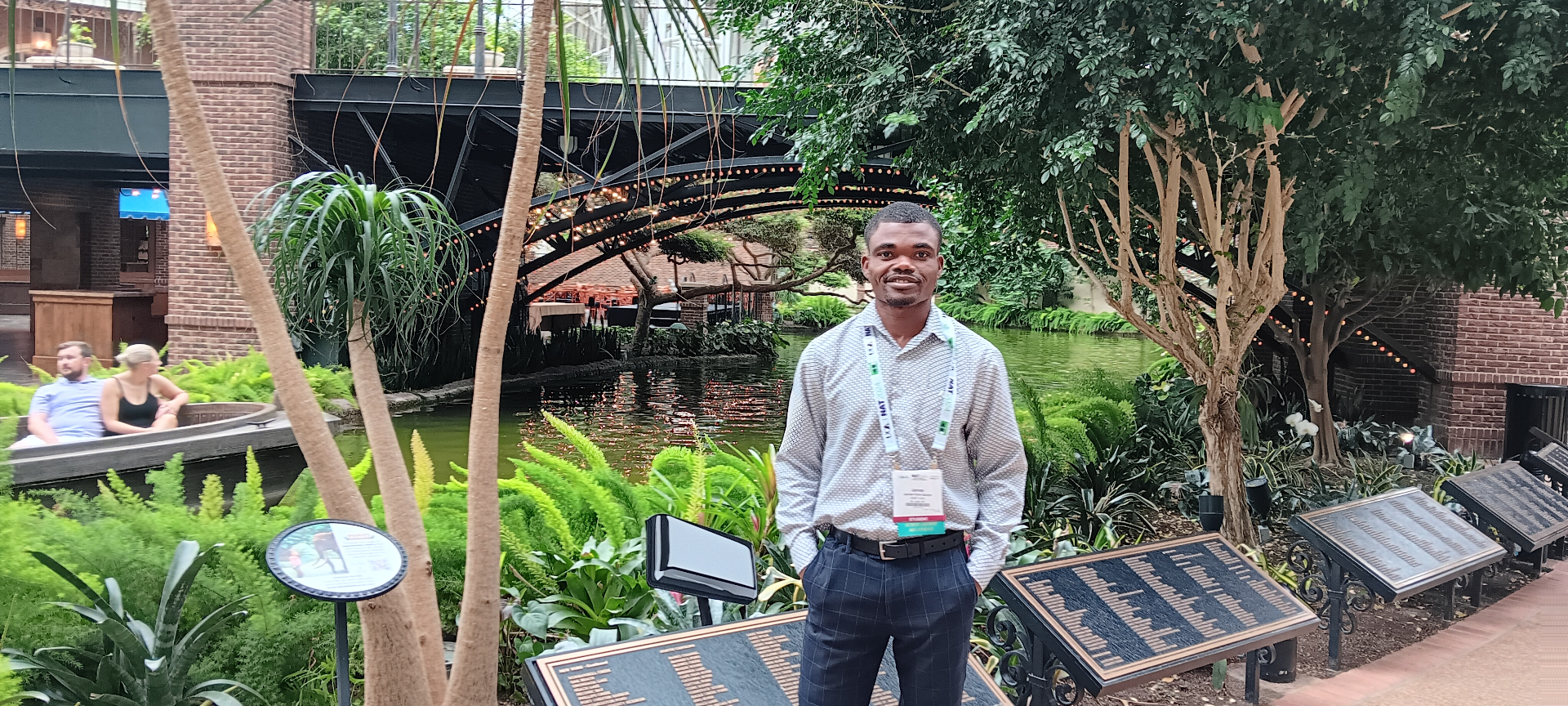
Active participation in industry gatherings on tunneling, geotechnical engineering, and seismic resilience — engaging with leading practitioners and emerging research.
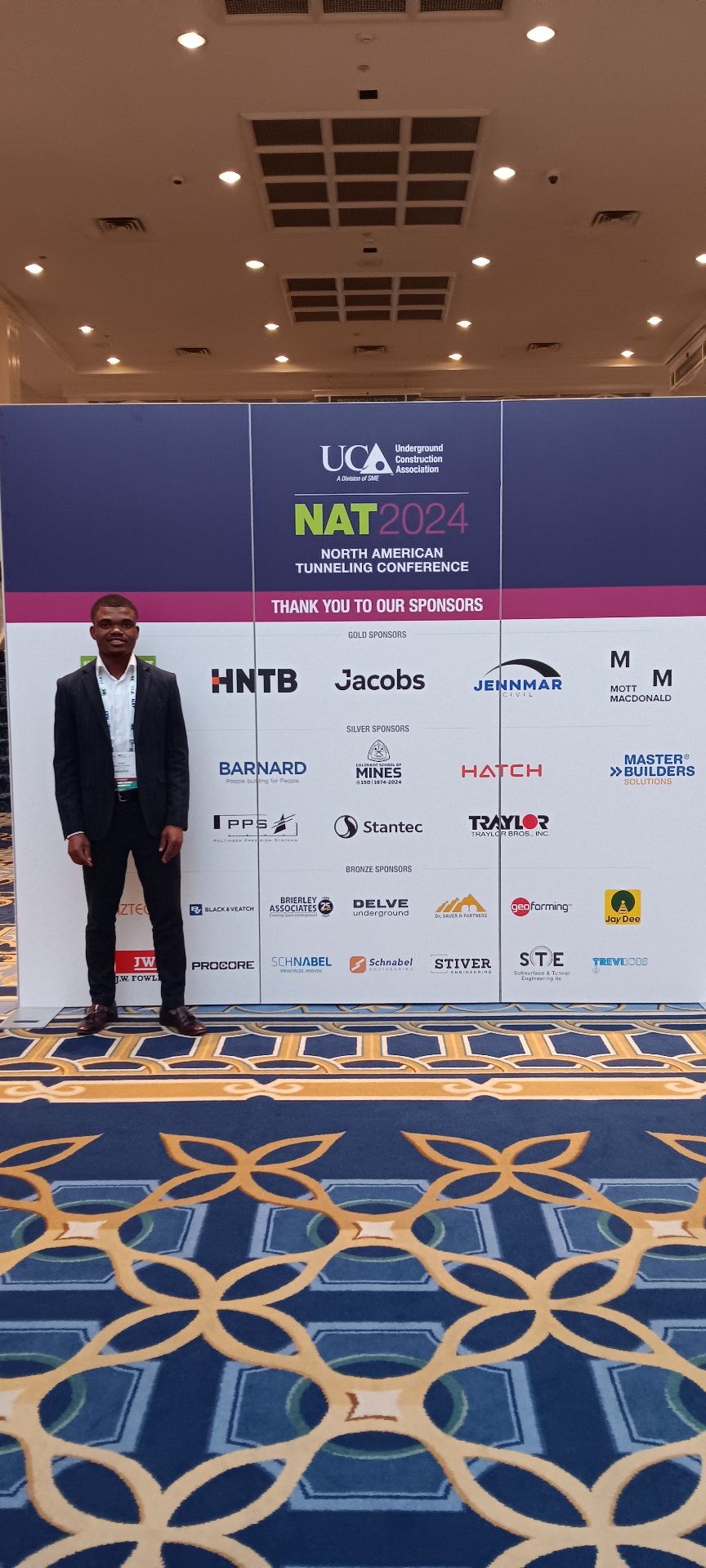
Attendance Scholarship Recipient
Underground Construction Association
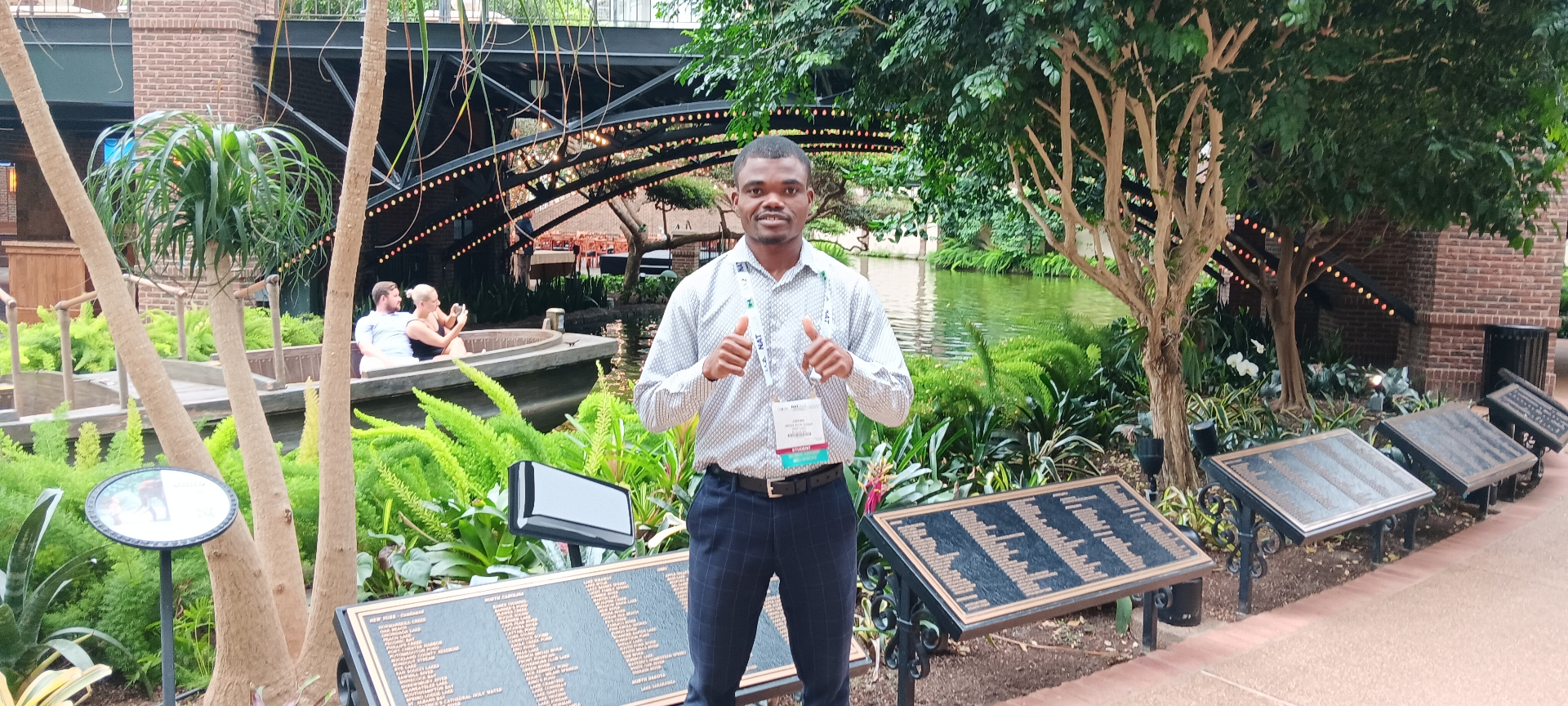
Student Delegate
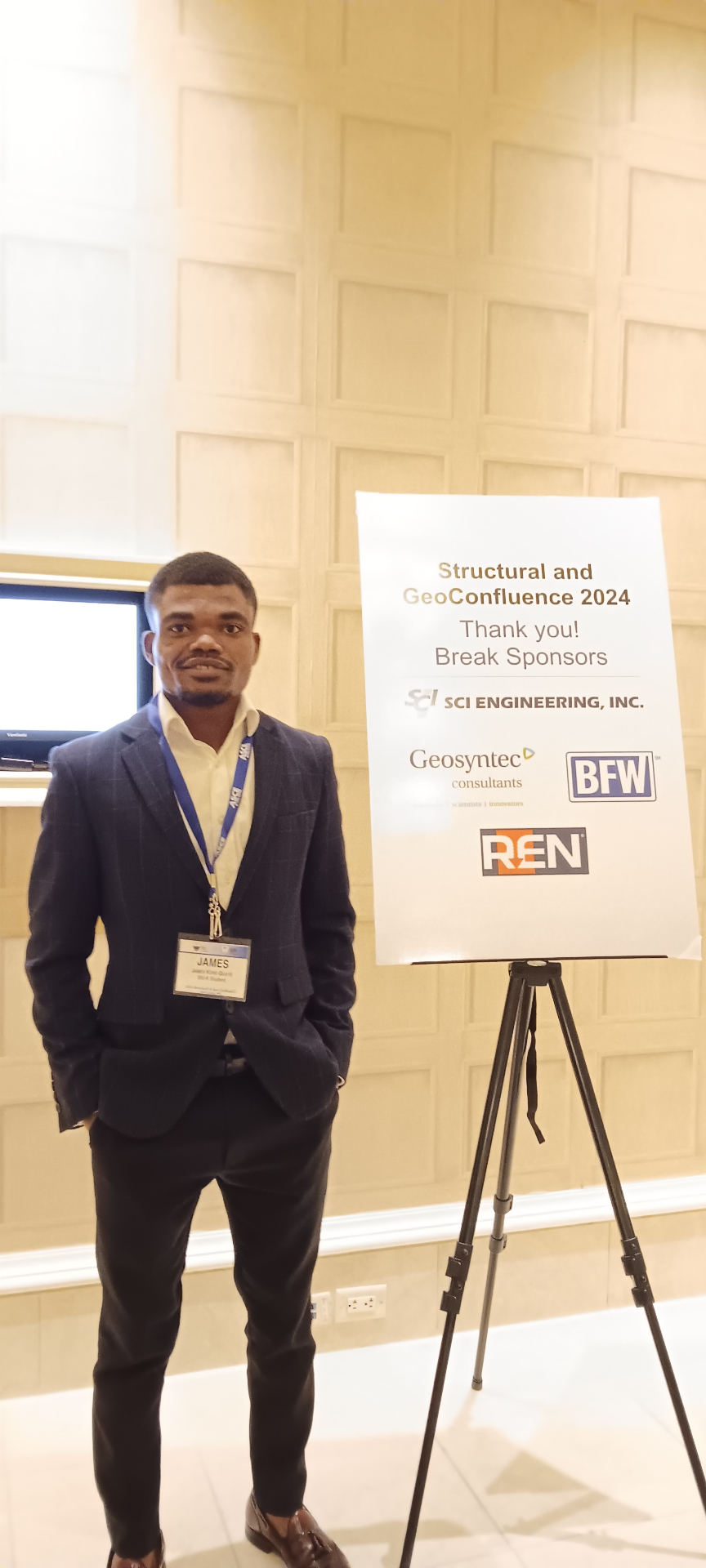
Geo-Institute of ASCE
A personal venture focused on integrating engineering expertise, AI-driven workflows, and sustainable farming innovations. Building toward the intersection of engineering, automation, and impact-driven entrepreneurship.
Exploring AI tools, generative workflows, and digital strategies to transform how engineers work and communicate. Passionate about AI education, productivity systems, and building scalable knowledge platforms.
Open to engineering collaborations, AI workflow conversations, speaking opportunities, and strategic partnerships.